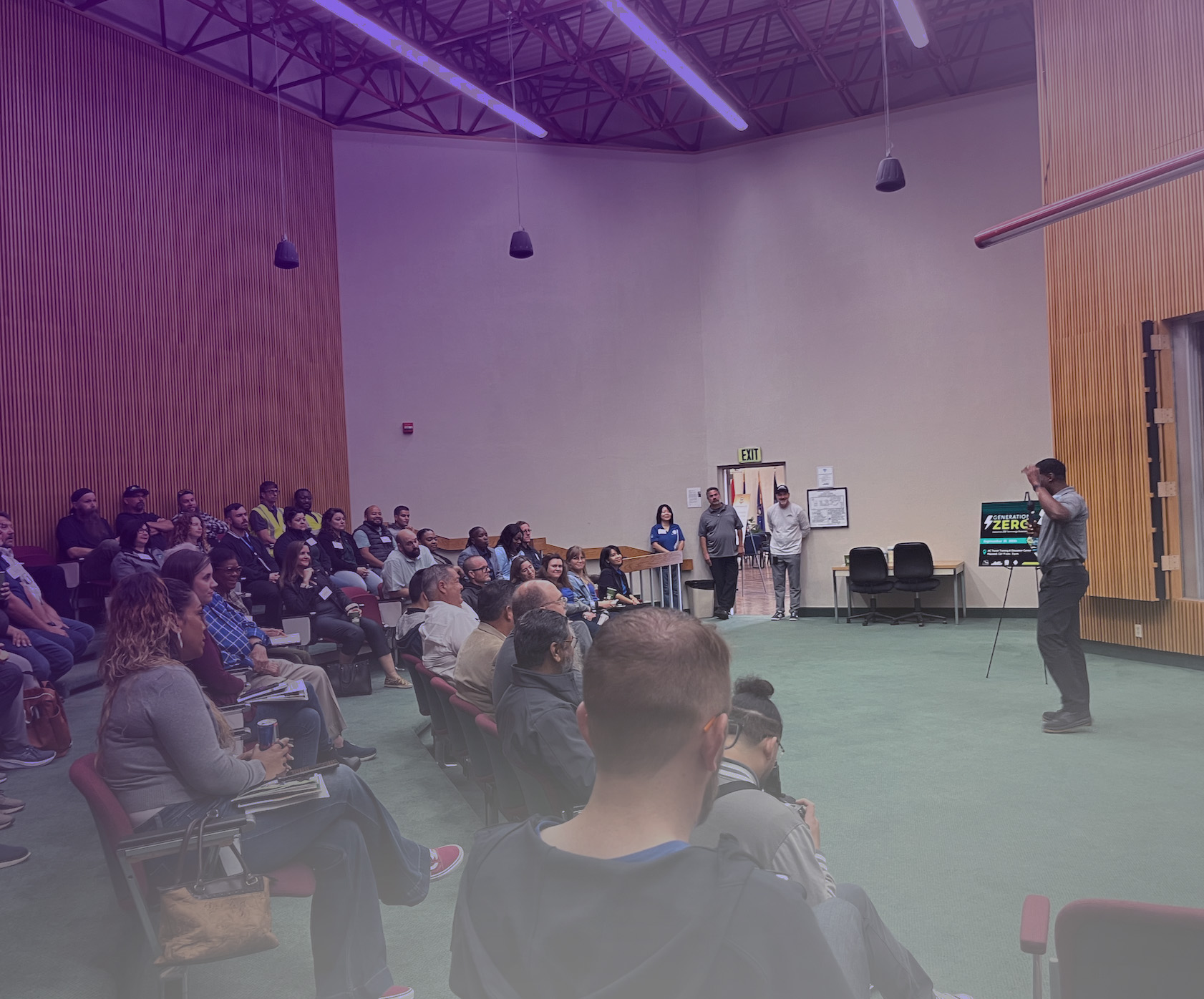
CTTC is developing a comprehensive Fuel Cell Electric Bus training curriculum to prepare California’s transit technicians to safely maintain, diagnose, and troubleshoot the next generation of zero-emission buses.
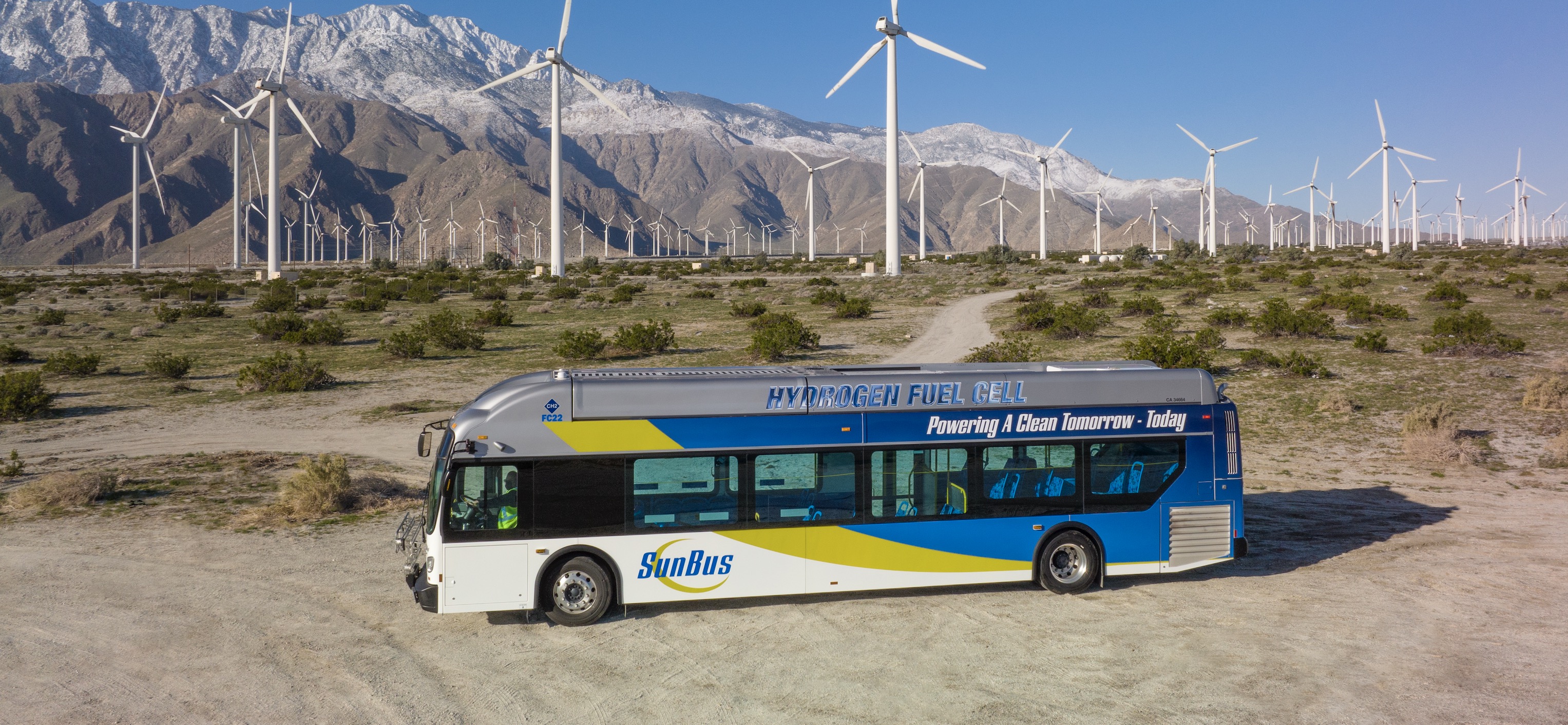
FCEB Curriculum Development Update
Meet our Subject Matter Expert
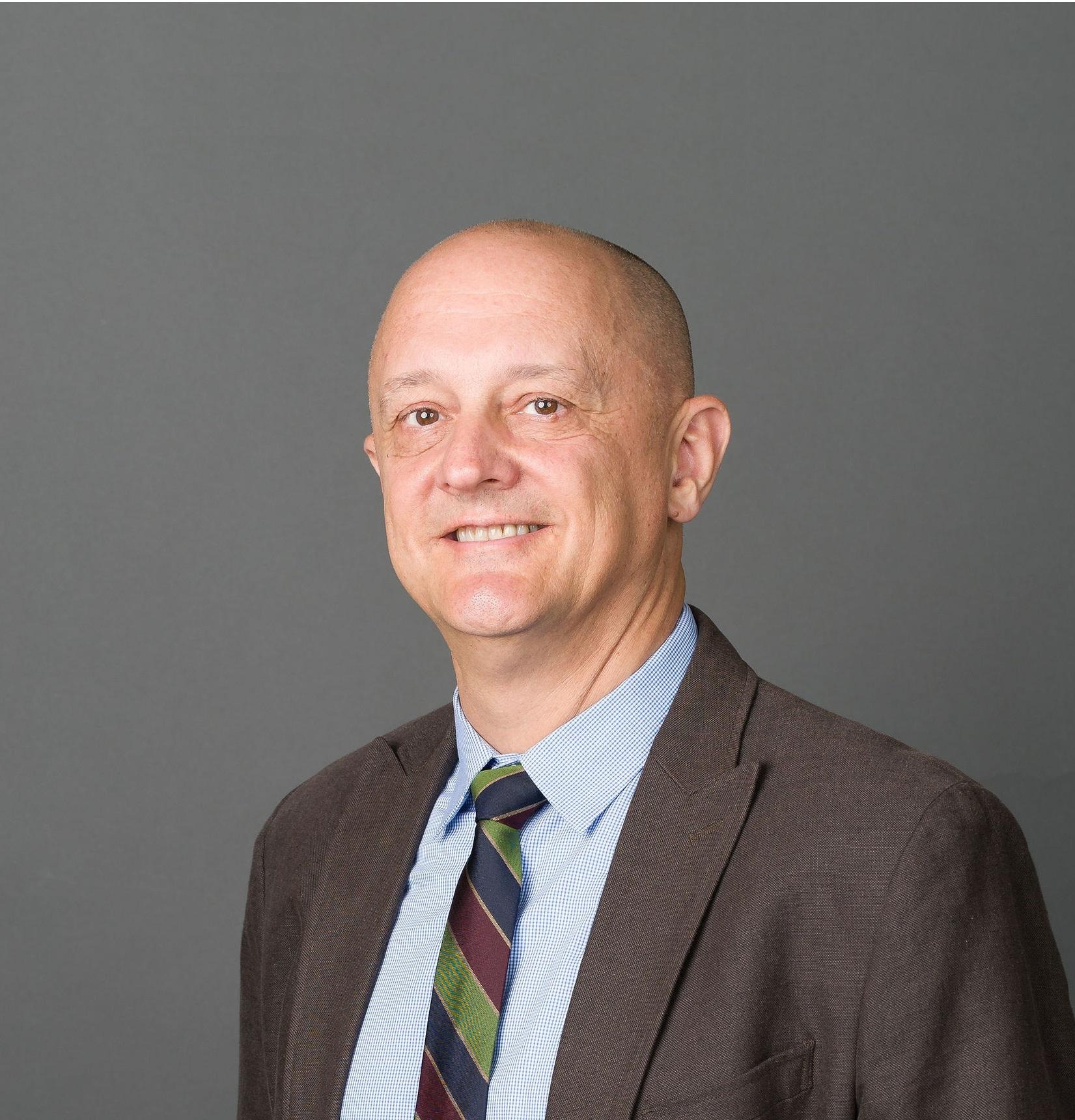
Nick Real brings a background in engineering, workforce education, and Career Technical Education leadership to his role as CTTC’s Fuel Cell Electric Bus Subject Matter Expert. His experience combines technical engineering knowledge with curriculum development and extensive collaboration with faculty, industry partners, manufacturers, and workforce organizations. For the FCEB project, his focus is on helping translate complex fuel cell and hydrogen technologies into practical, technically accurate training for transit technicians.
Preparing California’s Transit Workforce for Fuel Cell Electric Buses
California’s transition to zero-emission transit is bringing innovative technologies into maintenance facilities across the state. Fuel cell electric buses (FCEBs) combine hydrogen storage, fuel cell power generation, high-voltage electrical systems, batteries, electric propulsion, thermal management, and sophisticated electronic controls. For the technicians who will operate, maintain, and troubleshoot these vehicles, the challenge is not simply learning about a new component, it is learning how an entirely new group of systems works together.
The California Transit Training Consortium (CTTC) is developing a comprehensive Fuel Cell Electric Bus training curriculum to help prepare the transit workforce for this transition. The curriculum is being designed to build knowledge progressively, beginning with hydrogen and fuel cell fundamentals and advancing toward the systems, safety practices, maintenance procedures, and troubleshooting skills technicians will encounter on actual vehicles.
A central principle guiding the project is that transit technicians do not need to become fuel cell designers to work effectively with FCEBs. They do, however, need to understand the fuel cell as a complete operating system.
Understanding the basic electrochemistry of a proton exchange membrane (PEM) fuel cell provides an important foundation: hydrogen and oxygen react electrochemically to produce electricity, with water and heat as byproducts. But for a technician, that is only the beginning. The practical questions are what allow that process to occur reliably aboard a transit bus.
A fuel cell depends on much more than the stack itself. Hydrogen and air must be delivered at the proper conditions, heat and water must be managed, and pumps, compressors, sensors, and electronic controls must work together. The fuel cell must also operate alongside the high-voltage battery and electric propulsion system. This system-based approach gives technicians enough technical foundation to understand what they are seeing, why it matters, and how a problem in one subsystem can affect the performance of the entire bus, supporting safer work and more effective diagnosis and troubleshooting.
As transit technology evolves, workforce preparation must evolve with it. CTTC’s FCEB curriculum development effort is designed to bridge the gap between emerging technology and the practical knowledge required in the maintenance facility, giving California’s transit workforce the skills and understanding needed to work safely and confidently with fuel cell electric buses.